The Department of Agronomy is a core and essential component of the B.Sc. (Agriculture) programme, dedicated to providing comprehensive education in crop production and resource management. It focuses on the scientific principles and practical applications required for efficient management of soil, water, nutrients, and crops to achieve higher productivity in a sustainable manner.
The department offers in-depth teaching in major areas such as Principles of Agronomy, Crop Production Technology, Weed Science and Management, Irrigation and Water Management, Dryland Farming, Organic and Natural Farming, and Sustainable Cropping Systems. These subjects are designed to build a strong theoretical foundation along with practical skills required in modern agriculture.
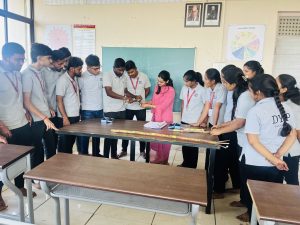
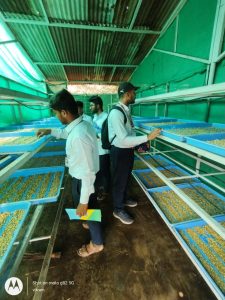
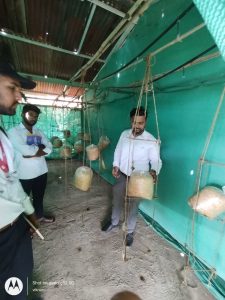
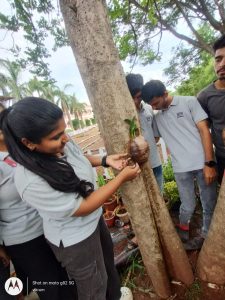
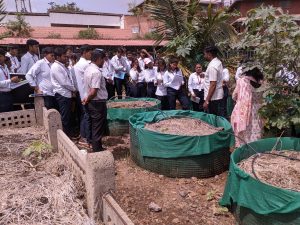
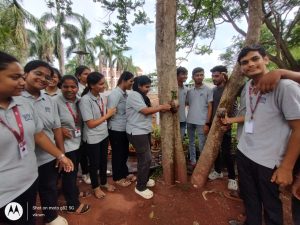
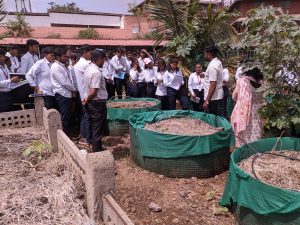
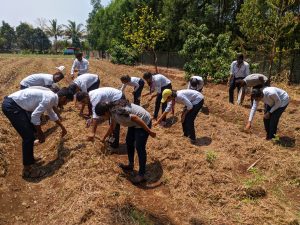
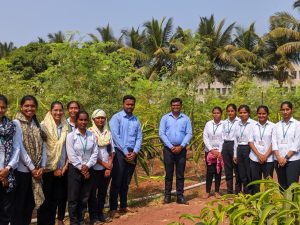
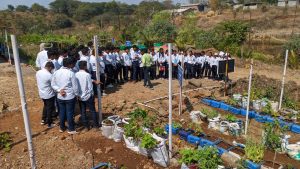
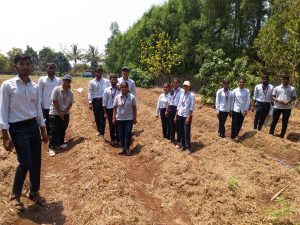
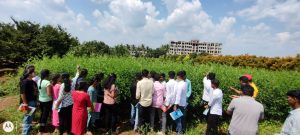
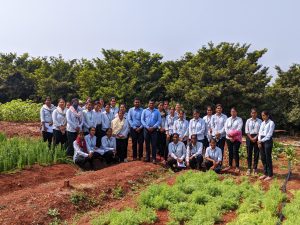
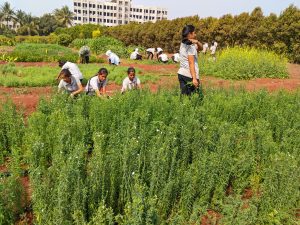
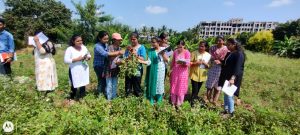
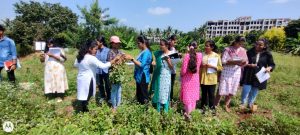
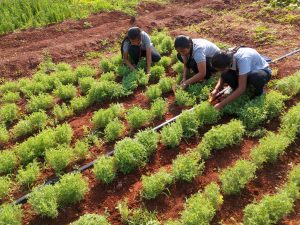
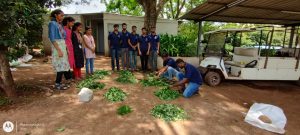
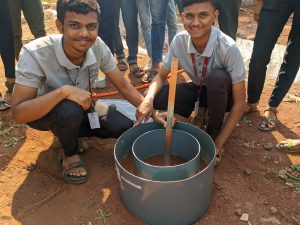
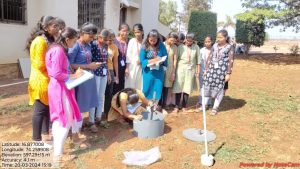
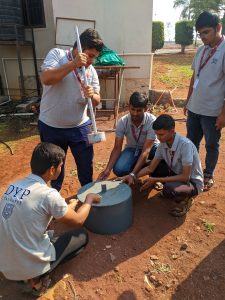
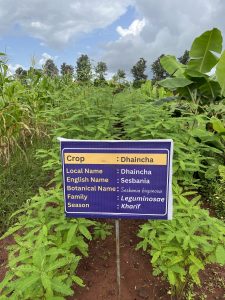
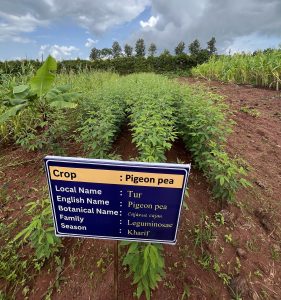
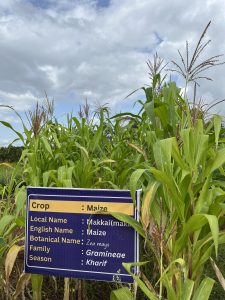
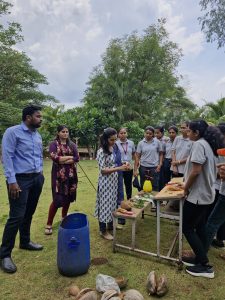
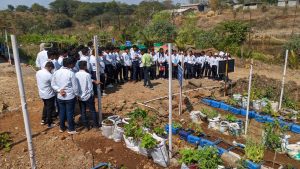
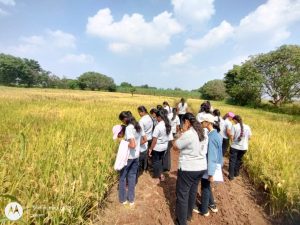
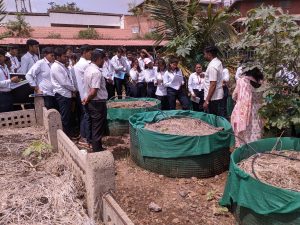
A key strength of the department is its emphasis on experiential and field-based learning. Students gain hands-on experience through instructional farms, demonstration plots, crop cafeterias, and exposure visits. This practical approach helps students understand real farming conditions, problem-solving techniques, and modern agricultural practices.
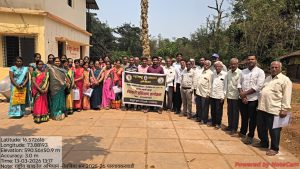
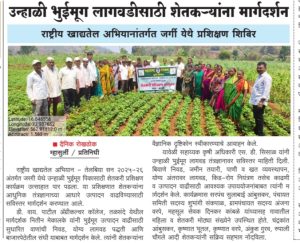
The department also plays an active role in extension education by organizing farmer training programmes, awareness campaigns, and field demonstrations. These activities help in transferring advanced agricultural technologies to farmers and bridging the gap between research and field application.
With well-qualified and experienced faculty members, the department ensures quality teaching, mentorship, and guidance for students. It also encourages participation in research activities, seminars, and skill development programmes to enhance students’ knowledge and confidence.
Graduates from the Department of Agronomy have diverse career opportunities in agricultural research institutions, government departments, agri-input industries, irrigation and watershed projects, farm management, and agri-entrepreneurship. The department is committed to producing competent agronomists who can contribute effectively to sustainable agriculture, resource conservation, and national food security.
The Department of Agronomy is recognized for its strong emphasis on quality education, practical training, and sustainable agricultural development. The key highlights of the department include:
• Well-structured academic curriculum covering core areas such as crop production, weed management, irrigation, dryland farming, and sustainable agriculture
• Strong focus on experiential learning through instructional farms, demonstration plots, and crop cafeterias
• Hands-on training in modern agronomic practices, organic and natural farming techniques, and climate-resilient agriculture
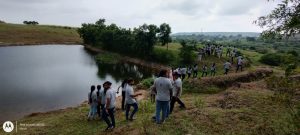
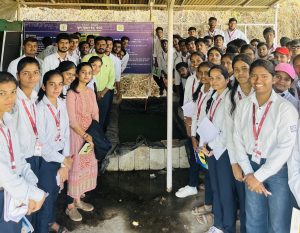
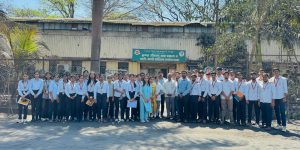
• Regular organization of field visits, exposure tours, and farmer interaction programmes to enhance practical knowledge
• Active involvement in extension activities including farmer training, awareness programmes, and technology dissemination
• Experienced and dedicated faculty members with expertise in various fields of agronomy
• Promotion of research-based learning, student projects, and participation in seminars and workshops
• Emphasis on entrepreneurship development in agriculture, including organic input production and farm management
• Availability of basic infrastructure and facilities to support practical learning and skill development
• Strong career support with opportunities in research, government sectors, agri-industries, and agribusiness
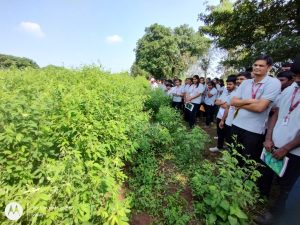
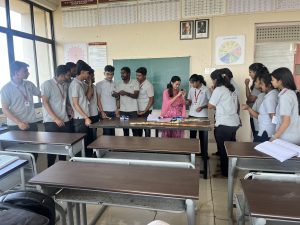
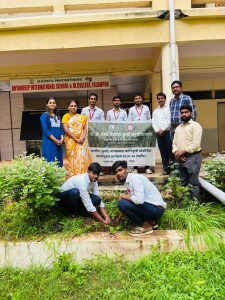
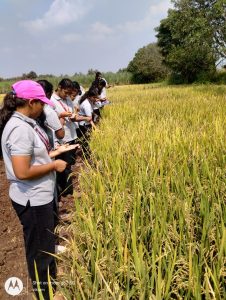
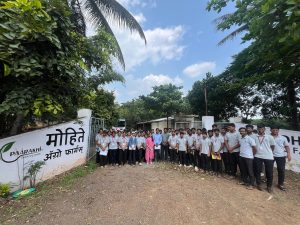
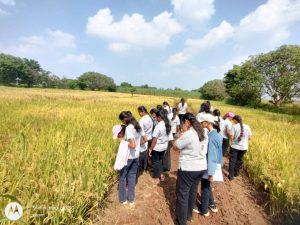
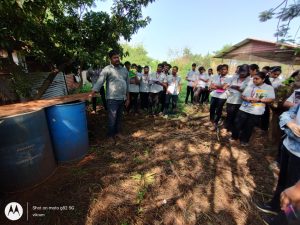

Every day, everyone is affected by agronomy. The food you eat, the coffee you drink, the ethanol-based gas in your car, the grass on the golf course, the natural fibers of the clothing you wearall are products of agronomy and the work of agronomists.
Agronomy is a science and a practice that looks at agriculture from an integrated, holistic perspective. In agronomy, its important to understand the properties of the soil and how the soil interacts with the growing crop; what nutrients (fertilizers) the crop needs and when and how to apply these nutrients; the ways that crops grow and develop; how climate and other environmental factors affect the crop at all stages; and how best to control weeds, insects, fungi, and other crop pests.
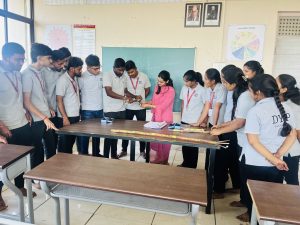
Department of Agronomy, in the College of Agriculture, Talsande is a huge department, carrying out teaching activities. The staffs are actively involved in conducting teaching, on-farm activities, educational tours, which make the students be well versed with the subject.
Mr. Vikram Vijay Zarekar is an agricultural academician specializing in Agronomy. He is currently serving as an Assistant Professor, Department of Agronomy, at Dr. D. Y. Patil College of Agriculture, Talsande, Kolhapur, where he is actively involved in undergraduate teaching, practical training, student mentoring, research, and extension activities. He contributes to academic planning and institutional development through active participation in various departmental and college-level activities.
He completed his Bachelor of Science (Agriculture) from Mahatma Phule Krishi Vidyapeeth (MPKV), Rahuri in 2014, securing 77.40% marks with First Class. He subsequently obtained his Master of Science (Agriculture) in Agronomy from Dr. Balasaheb Sawant Konkan Krishi Vidyapeeth, Dapoli (DBSKKV) in 2016, securing 81.10% marks and graduating with First Class developing expertise in crop production, weed management, crop management, irrigation and water management, sustainable agriculture, and agrometeorology.
Mr. Vikram V. Zarekar began his professional career as an Agriculture Educator with Future Agriculture Leaders of India (FALI), Mumbai, in July 2016, where he was engaged in agricultural education, agribusiness training, and rural community development. In recognition of his dedicated service and outstanding performance, he was promoted to the position of Senior Agriculture Educator in July 2019. During his tenure at FALI, he conceptualized and implemented agribusiness models, mentored students, organized seminars and field visits, conducted rural field surveys, promoted sustainable agriculture, and worked extensively with farming communities and educational institutions.
Since November 2022, Mr. Zarekar has been serving as an Assistant Professor in the Department of Agronomy at Dr. D. Y. Patil College of Agriculture, Talsande, Kolhapur. He is actively involved in undergraduate teaching, practical instruction, Automatic Weather Station Data (AWS) recording & maintainance, curriculum-based field visits, and academic mentoring. He also contributes to research, extension activities, and institutional development while guiding students in experiential learning and promoting sustainable crop production technologies. With nearly ten years of combined professional experience in agricultural education, rural development, and higher education, he continues to make significant contributions to teaching, research, extension, and student development.
Teachinhg
I worked as an Agriculture Educator at Future Agriculture Leaders of India (FALI), Mumbai from July 2016 to June 2019.
I worked as a Senior Agriculture Educator at Future Agriculture Leaders of India (FALI), Mumbai from July 2019 to October 2022.
Presently working as an Assistant Professor of Agronomy at D. Y. Patil College of Agriculture, Talsande, Dist.-Kolhapur since November 2022 to till date.
Total Professional Experience – 10 Years
Research Paper Publication
Attended three days Training programme on Commercial Bee Keeping at Krishi Vigyan Kendra, Kalawade, Karad.
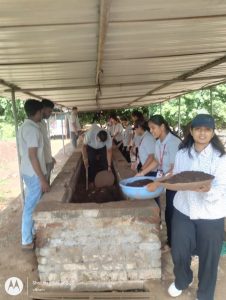
Attended one days Training programme on Coco Peat Making at Rajarambapu Patil Cocopeat Industry, Kapuskhed, Sangli.
Work as an Mentor in National Institute of Rural Development and Panchayatraj (NIRDPR), Hyderabad in Rural Innovators Start-up Conclave 2019 under Rural Innovative Design Challenge (Won First Prize)
As per Vth Dean ICAR Committee Syllabus
As per VIth Dean ICAR Committee Syllabus
Mr. N. S. Mekalke is an Assistant Professor in the Department of Agronomy at Dr. D. Y. Patil College of Agriculture, Talsande, Kolhapur, Maharashtra. He has been serving the institution since July 2025, actively contributing to undergraduate teaching, research, student mentoring, and academic administration.
Mr. Mekalke completed his B.Sc. (Agriculture) from Mahatma Phule Krishi Vidyapeeth (MPKV), Rahuri, in 2018 with First Class. He subsequently earned his M.Sc. (Agriculture) in Agronomy from Vasantrao Naik Marathwada Krishi Vidyapeeth (VNMKV), Parbhani, in 2020.
During his M.Sc. Programme, his research focused on evaluating the performance of Pigeonpea (Cajanus cajan (L.) Millsp.) varieties under different sowing dates. The study aimed to identify the optimum sowing time for enhancing crop growth, yield, and adaptability of different pigeonpea varieties under varying agro-climatic conditions. His research contributed to a better understanding of varietal performance and sowing time optimization for improving Pigeonpea productivity.
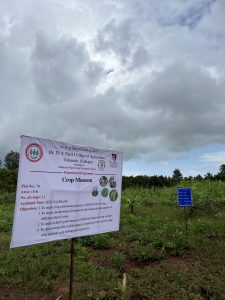
In addition to his teaching and research responsibilities, Mr. Mekalke has undertaken several important academic and administrative roles. He serves as the Coordinator of the Internal College Committee and the Crop Museum, and is an active Member of the Artificial Intelligence Committee. Through these responsibilities, he contributes to institutional development, student engagement, and the promotion of innovative teaching and learning practices.
Through his commitment to excellence in teaching, research, and student development, Mr. N. S. Mekalke continues to make significant contributions to agricultural education and the advancement of the field of Agronomy.
Assistant Professor| Dr. D. Y. Patil College of Agriculture, Talsande (July 2025 – Present)
Assistant Professor| Sharad College of Agriculture, Jainapur (Feb 2022 – June 2025)
Research Paper Publication
NA
NA
As per VIth Dean ICAR Committee Syllabus
NA
NA
NA
1. Ph.D. Scholar (Teaching Assistant)
School of Agriculture, SR University, Warangal, Telangana
Duration: 2024 – 2026 (Ph.D. Thesis Submitted)
2. Assistant Professor (Agronomy)
Dr. D. Y. Patil College of Agriculture, Talsande, Kolhapur
Duration: 2023 – 2024 (1.5 Years)
NA
As per Vth Dean ICAR Committee Syllabus
NA
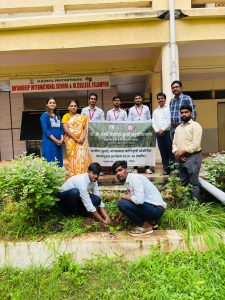
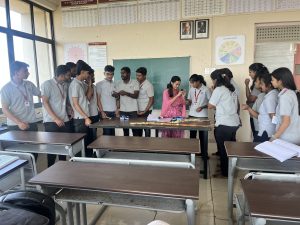
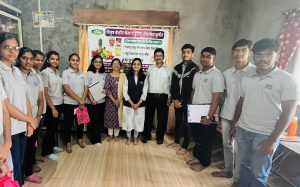
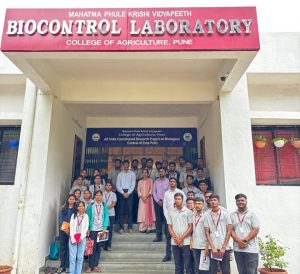
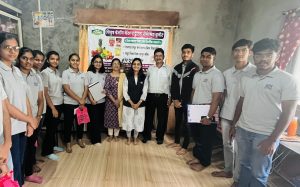
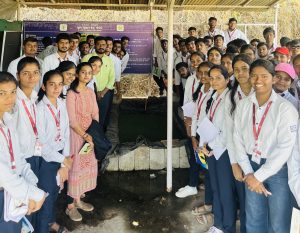
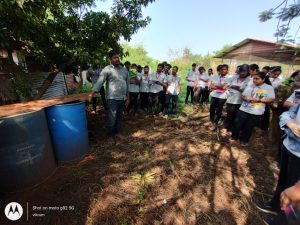
The Department of Agronomy regularly organizes workshops and training programmes to enhance the practical knowledge and technical skills of students. These workshops focus on both conventional and modern agricultural practices, ensuring that students are well-prepared to meet current agricultural challenges.
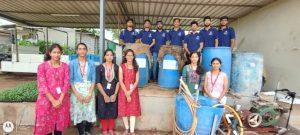
Major areas covered in these workshops include crop production technologies, weed management practices, irrigation methods, dryland farming techniques, and sustainable agriculture. Special emphasis is given to organic and natural farming practices, including the preparation of bio-inputs such as compost, vermicompost, beejamrit, jivamrit, panchgavya, and botanical extracts.
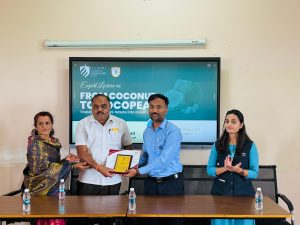
The department also conducts skill-based training on the use of farm tools and implements, efficient resource management, and climate-resilient farming practices. Experts from agricultural universities, research institutes, and agri-industries are invited to deliver lectures and provide hands-on training to students.
These workshops play a crucial role in bridging the gap between theoretical knowledge and field application, helping students develop confidence, problem-solving ability, and entrepreneurial skills in agriculture.
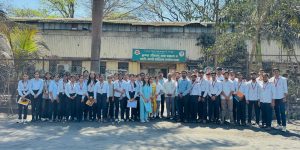
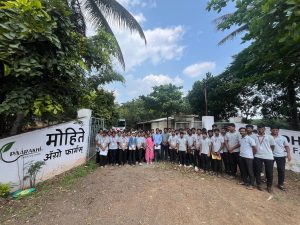
Additionally, a specialized workshop on the cocopeat industry was conducted at Rajaram Bapu Cocopeat Industry, where students gained practical exposure to cocopeat production, processing techniques, and its applications in horticulture and soilless cultivation.
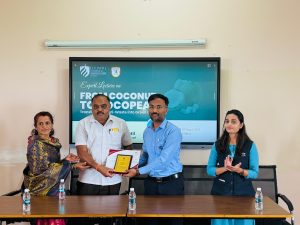
Date – 04/08/20025
--
--
--
--
--
--
--
--
--
--