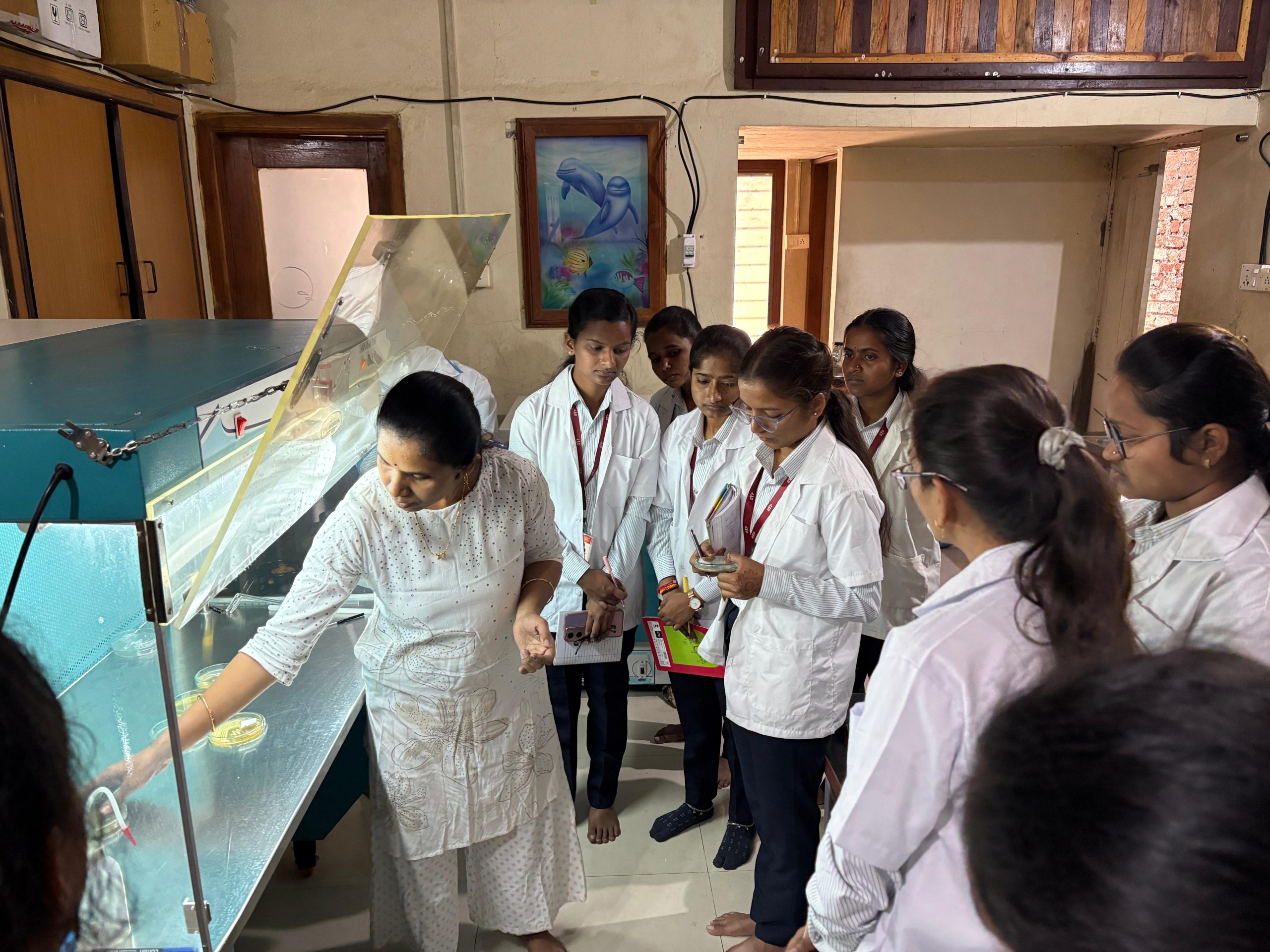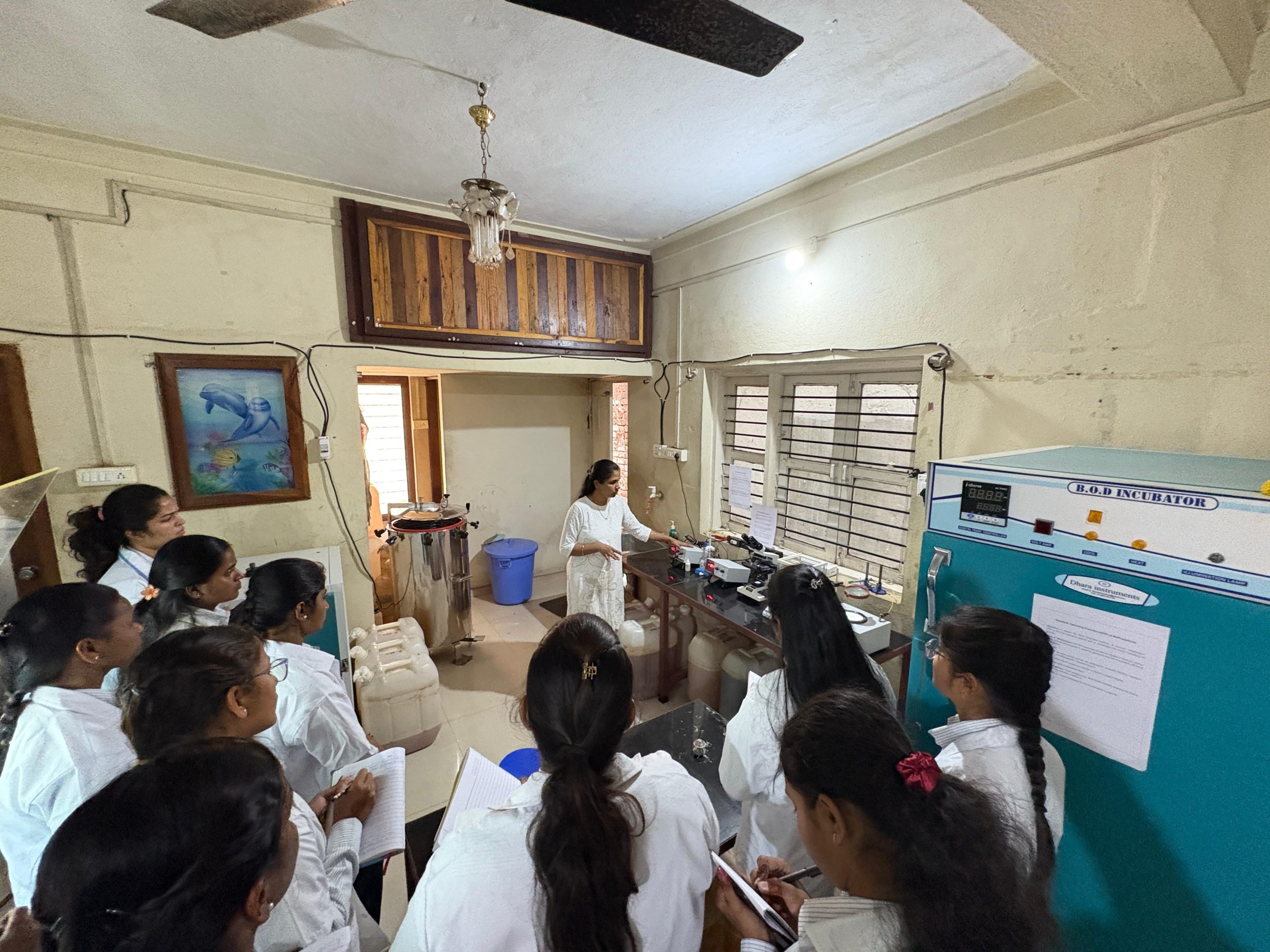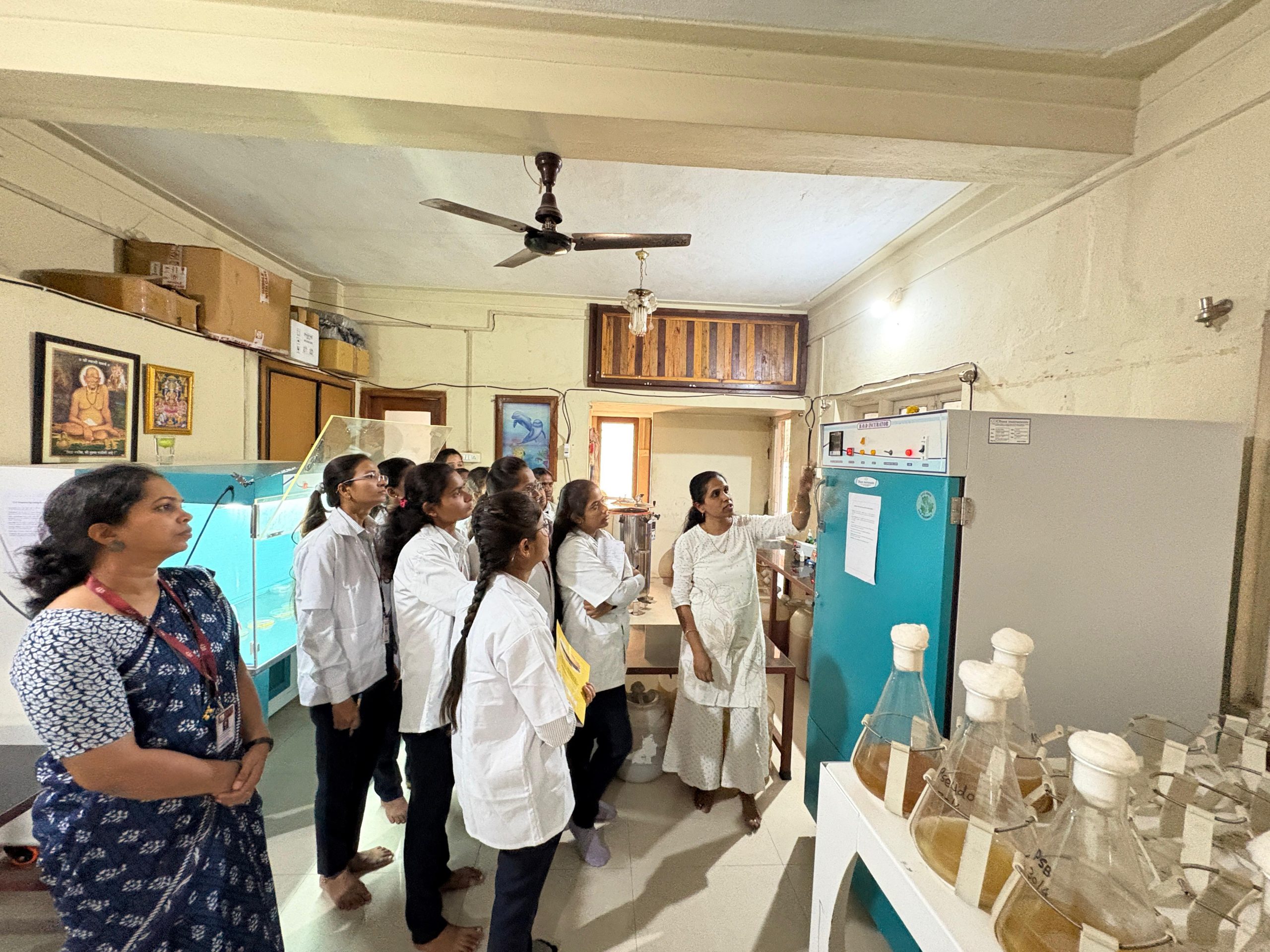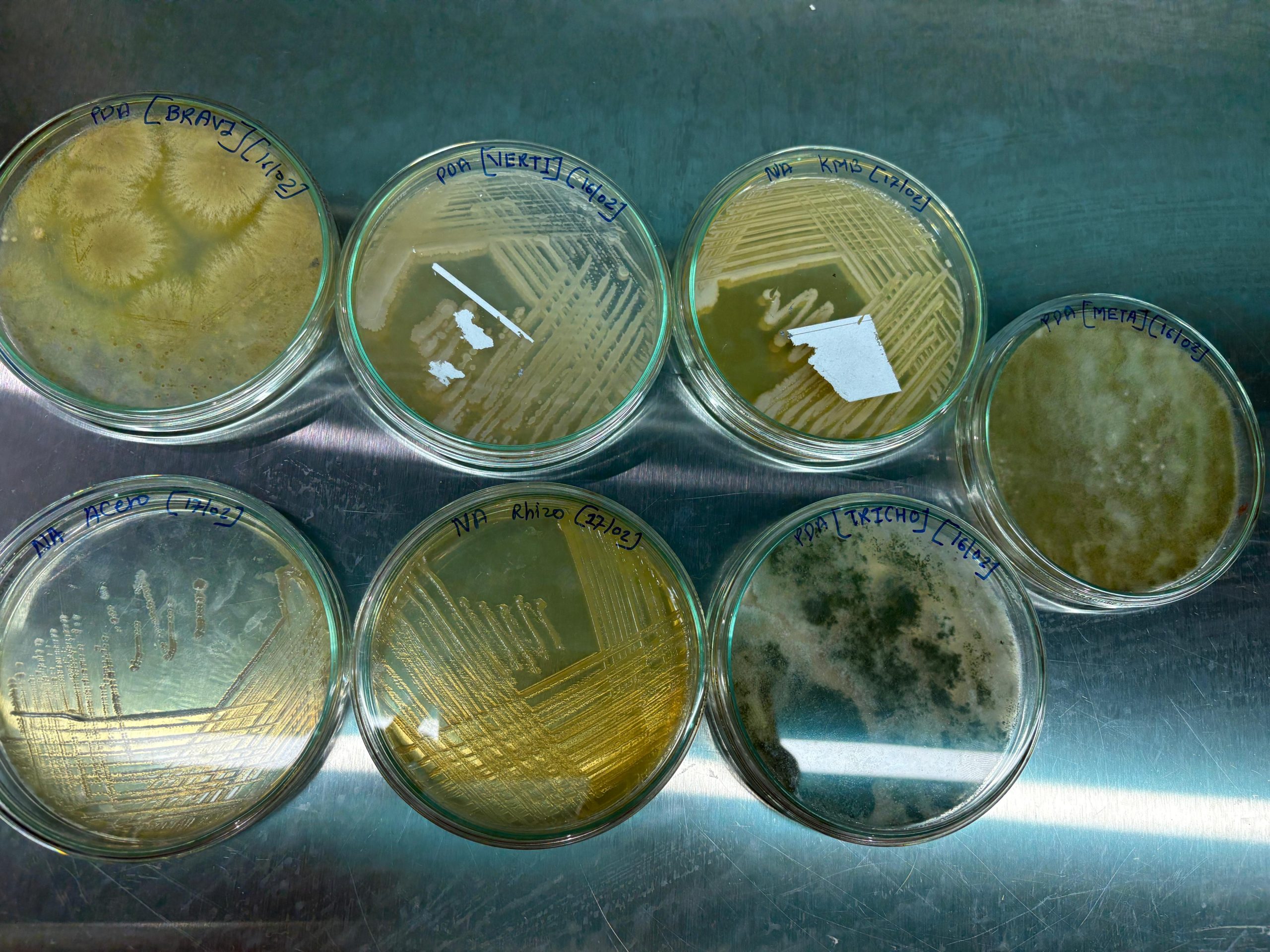
< The Plant Pathology Department is a key academic and research unit dedicated to the study and management of plant diseases for sustainable agriculture. It focuses on identifying the causes of diseases—fungal, bacterial, viral, and environmental—and developing effective prevention and control strategies to enhance crop productivity.
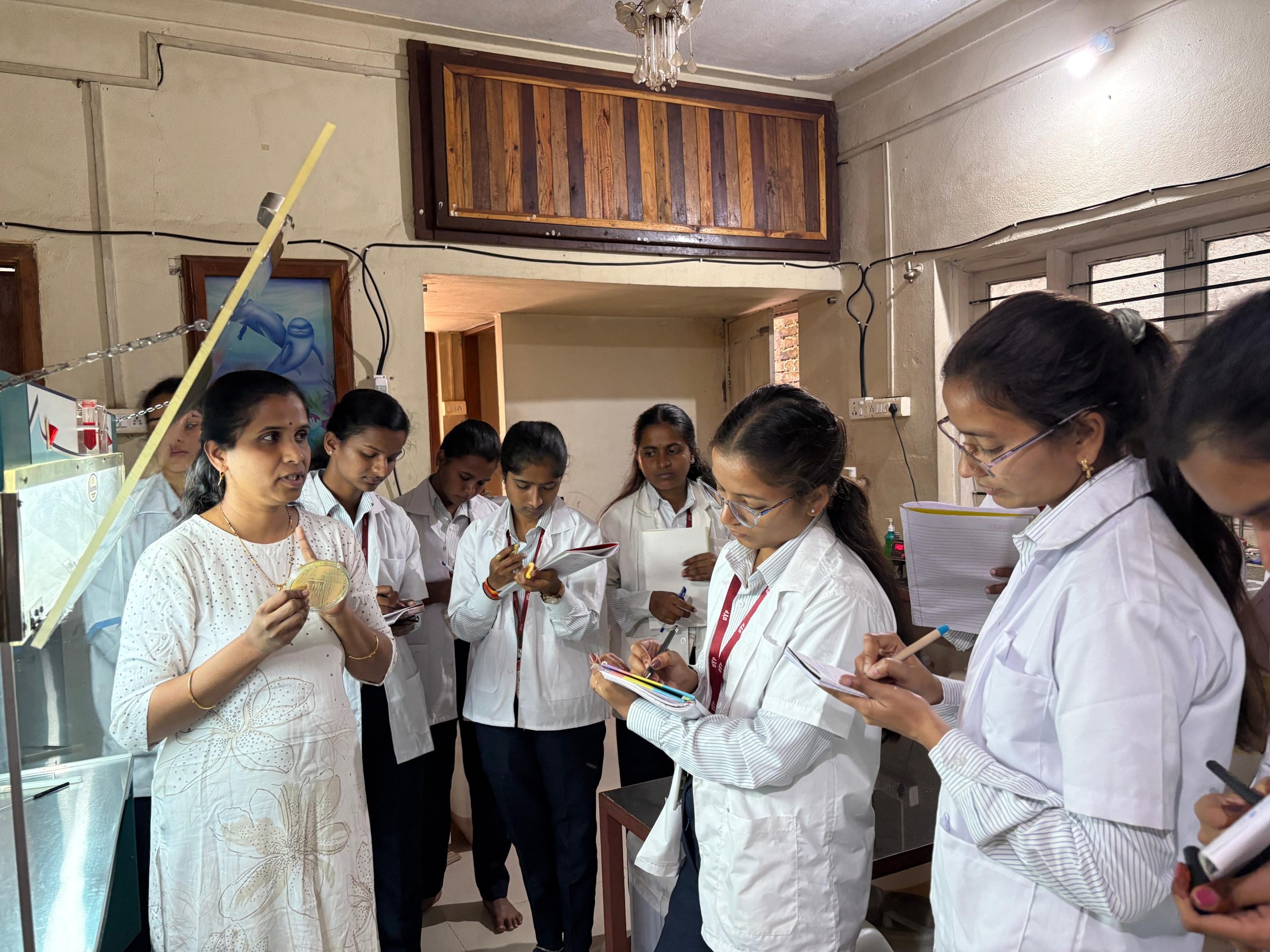
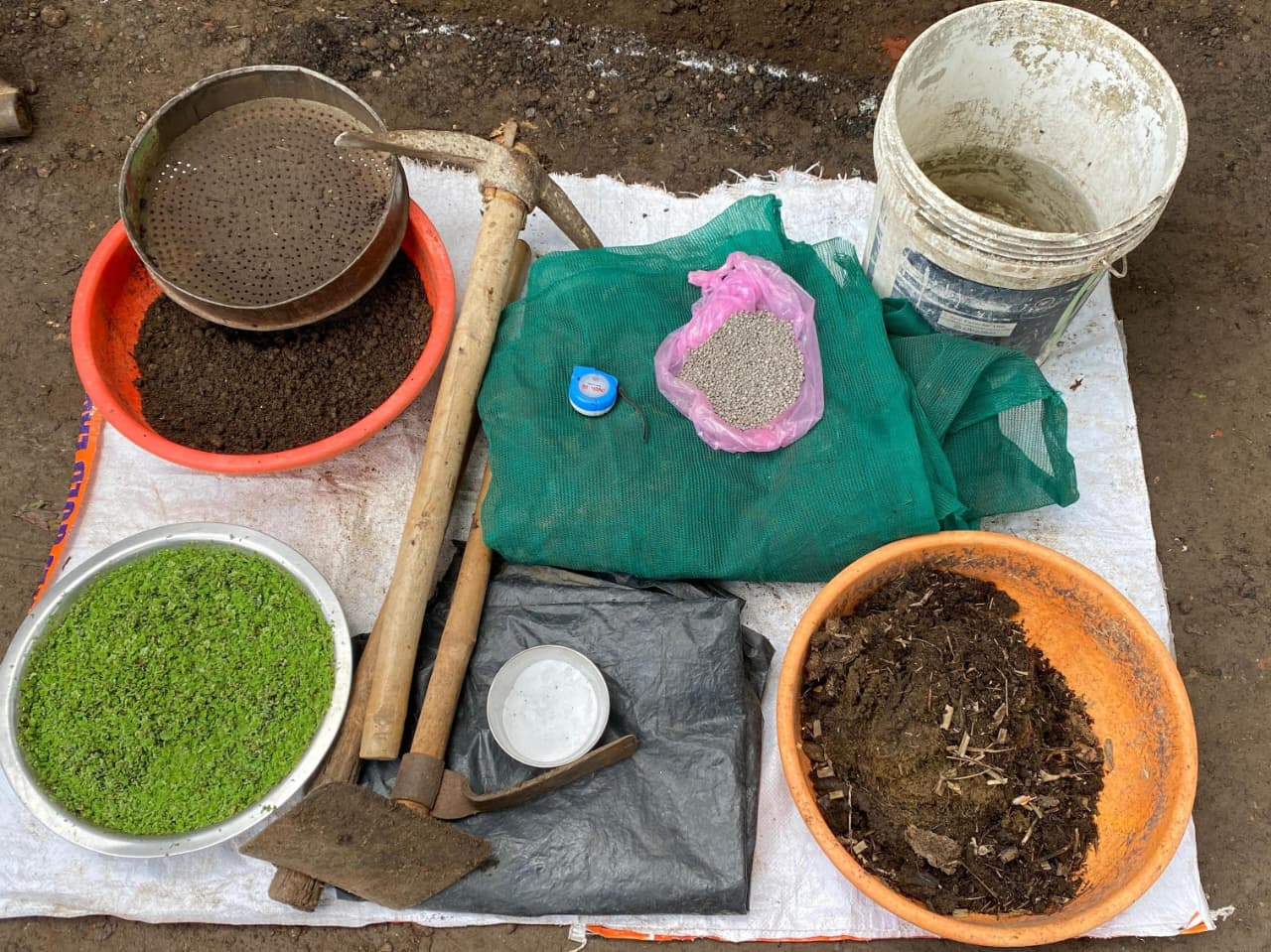
The department offers quality education to undergraduate agriculture students through a balanced approach of theoretical learning and practical training. It also includes specialized areas such as Agricultural Microbiology, Bio-fertilizer Production, and Mushroom Production, providing hands-on experience and skill development.
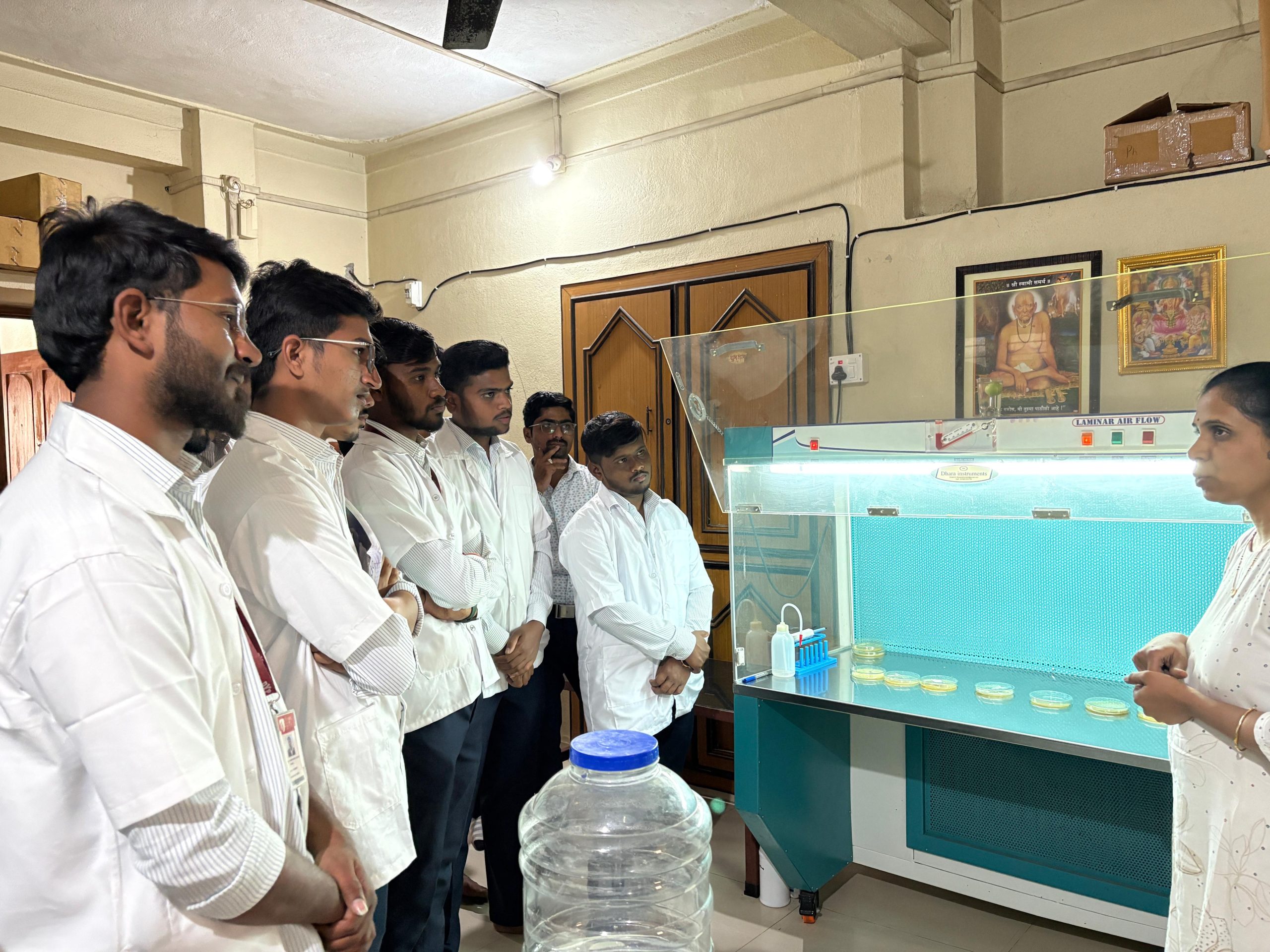
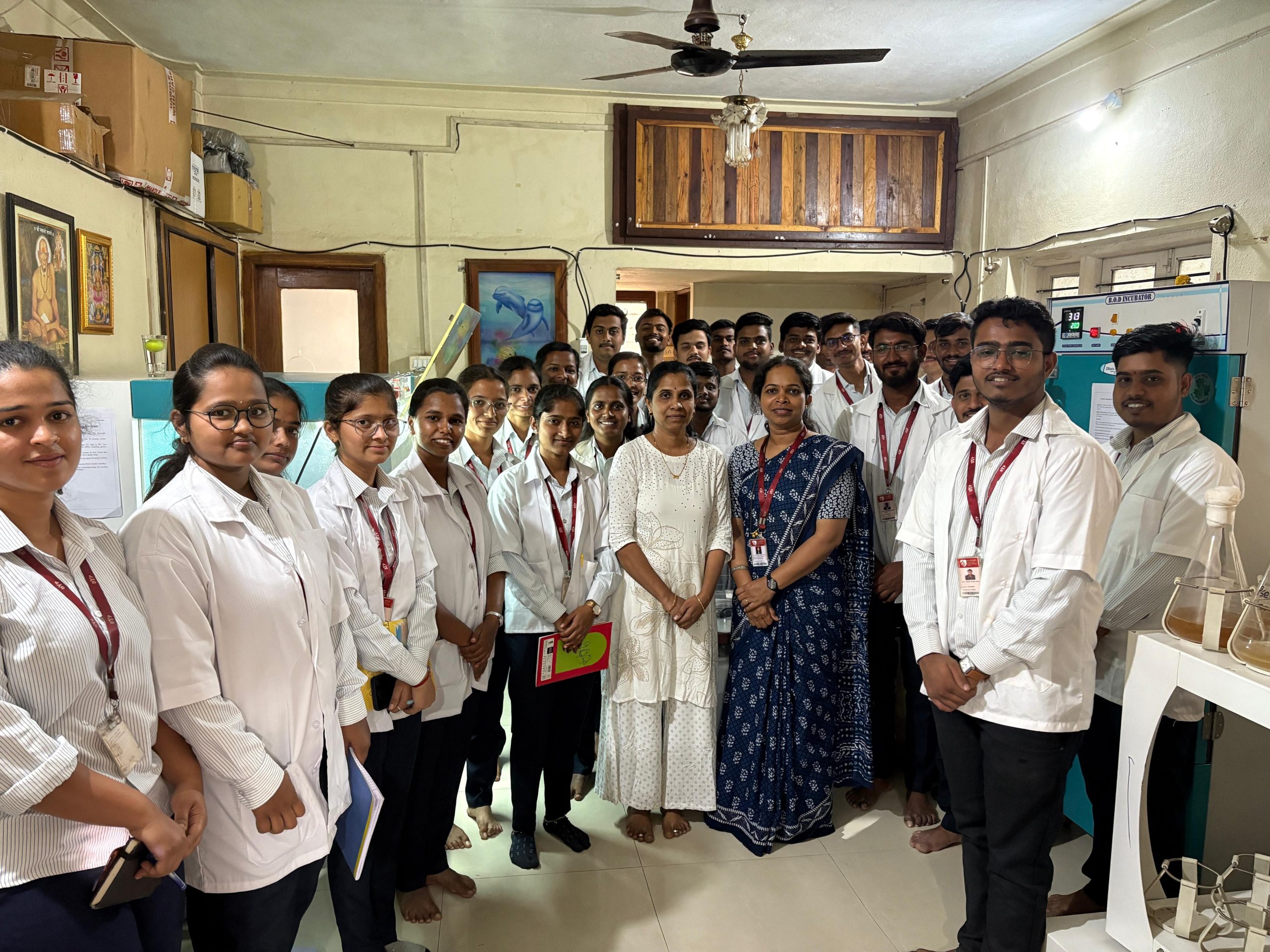
Equipped with modern laboratory and field facilities, including advanced instruments like autoclaves, incubators, laminar airflow chambers, and microscopes, the department ensures a strong practical learning environment.
Supported by highly qualified and experienced faculty members, the department is committed to academic excellence, research advancement, and preparing students to meet the challenges of modern agriculture
1. Focus on plant disease diagnosis and management for sustainable crop production
2. Strong academic program with theory + practical-based undergraduate teaching
3. Specialized units in Agricultural Microbiology, Bio-fertilizer Production, and Mushroom Production
4. Well-equipped laboratories with modern instruments: autoclaves, incubators, laminar airflow chambers, Microscopes with digital screen
5. Hands-on training in disease identification, culture techniques, and lab practices
6. Experienced and qualified faculty with teaching and research expertise
7. Emphasis on skill development, field exposure, and experiential learning
8. Commitment to sustainable agriculture and crop health improvement
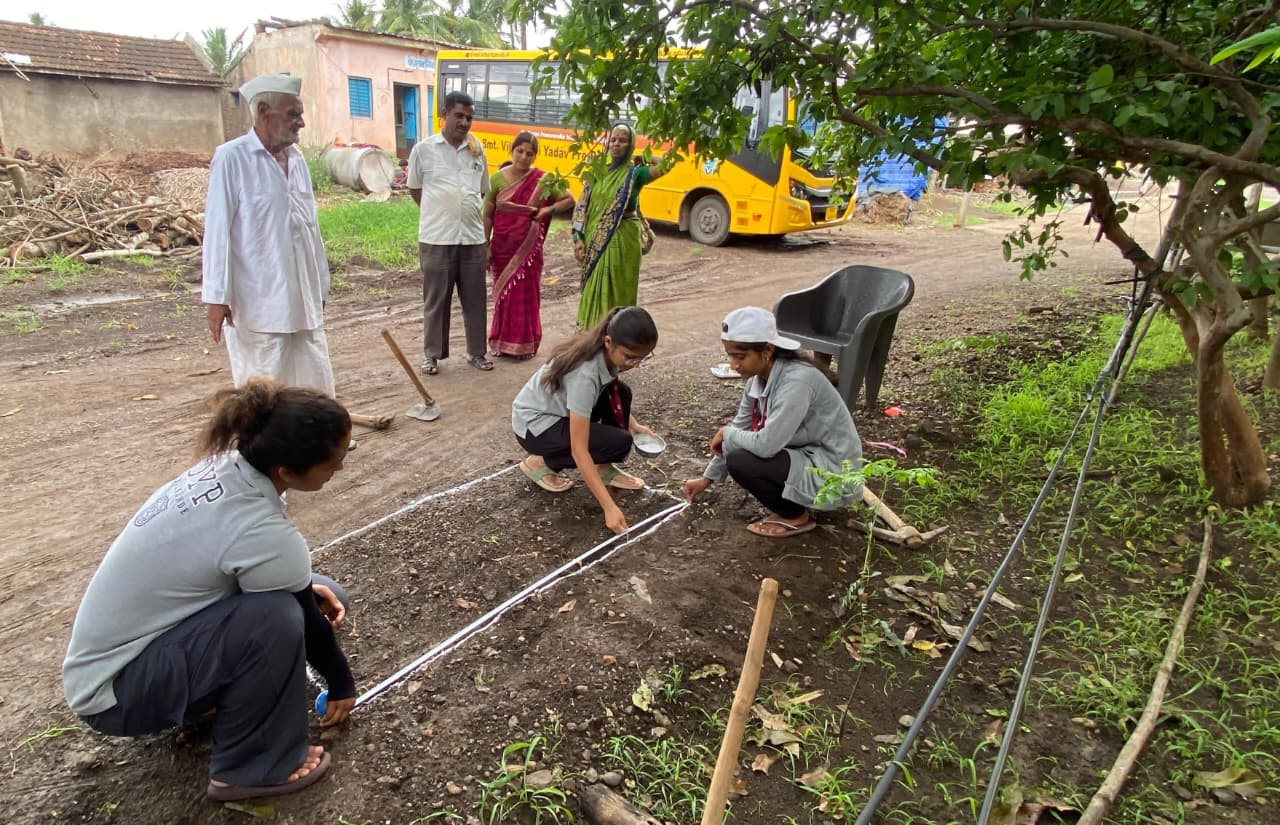
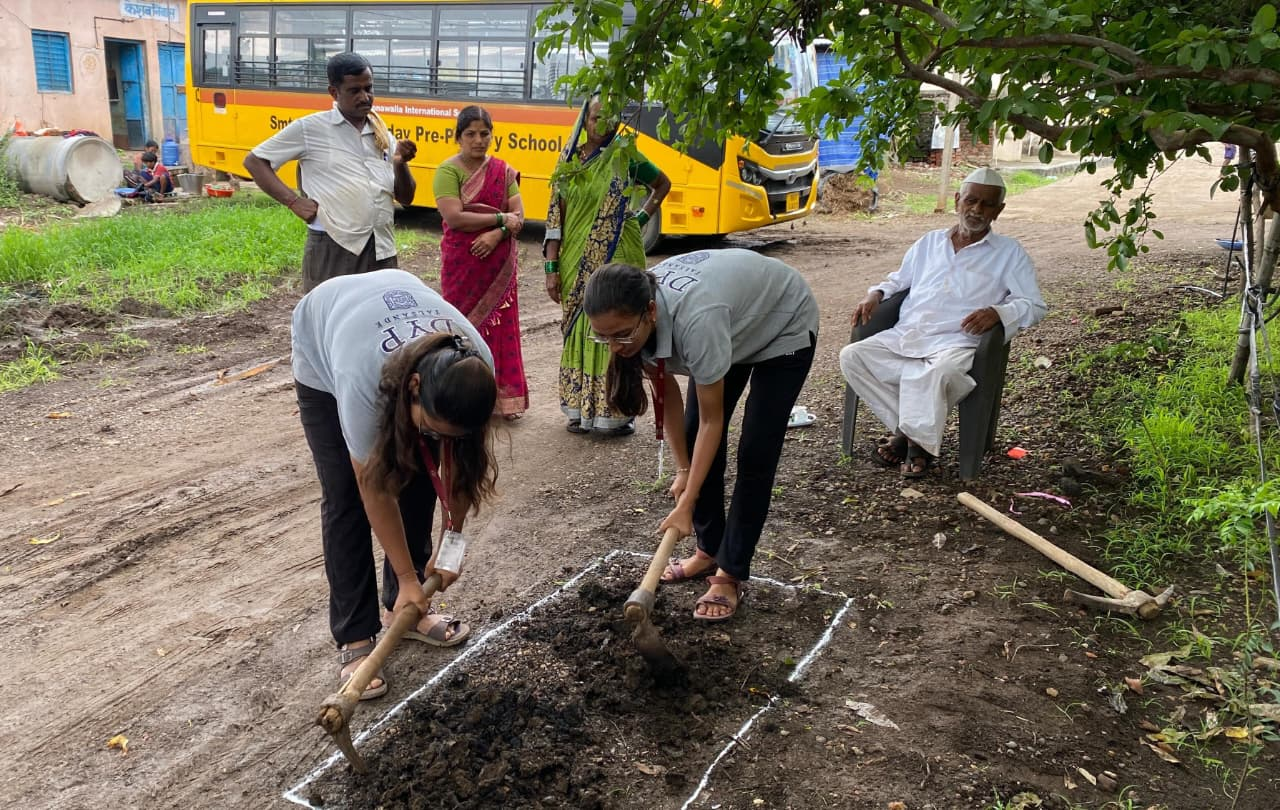
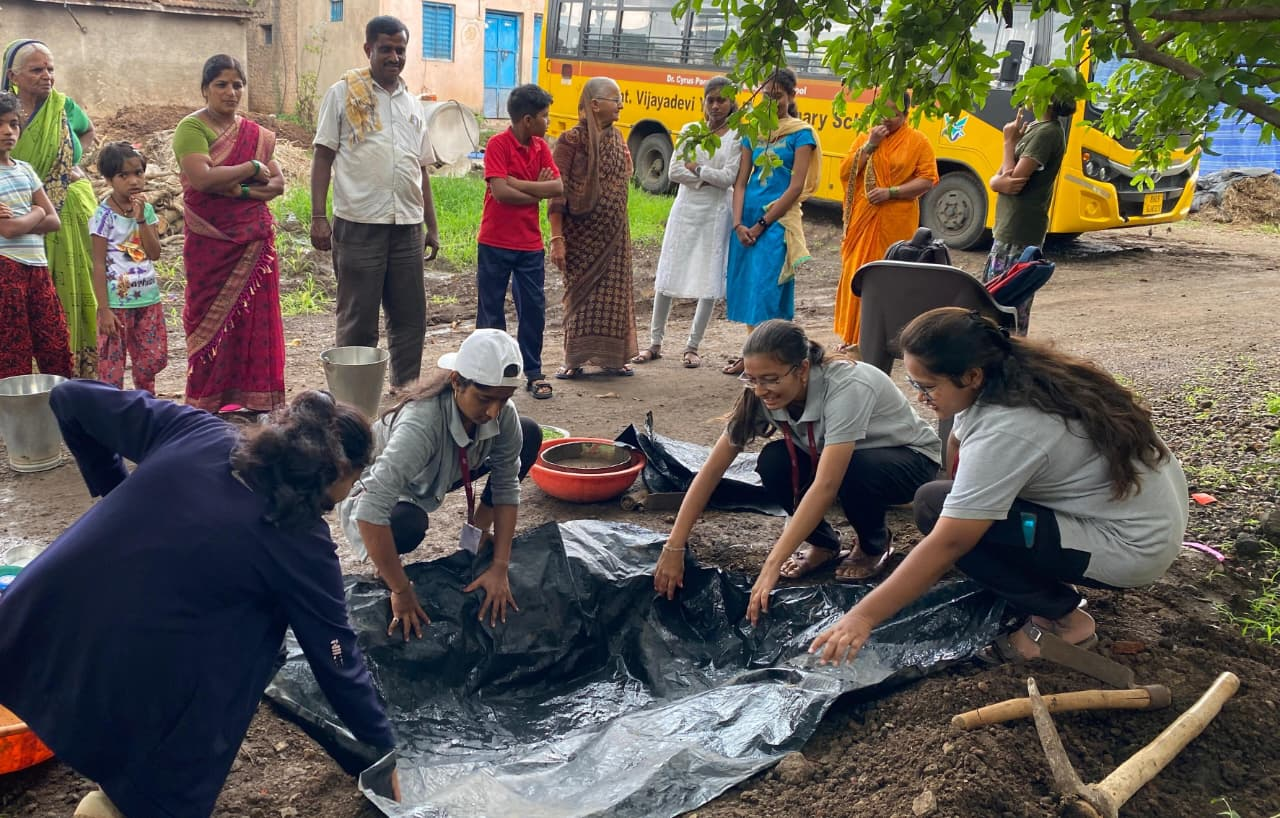
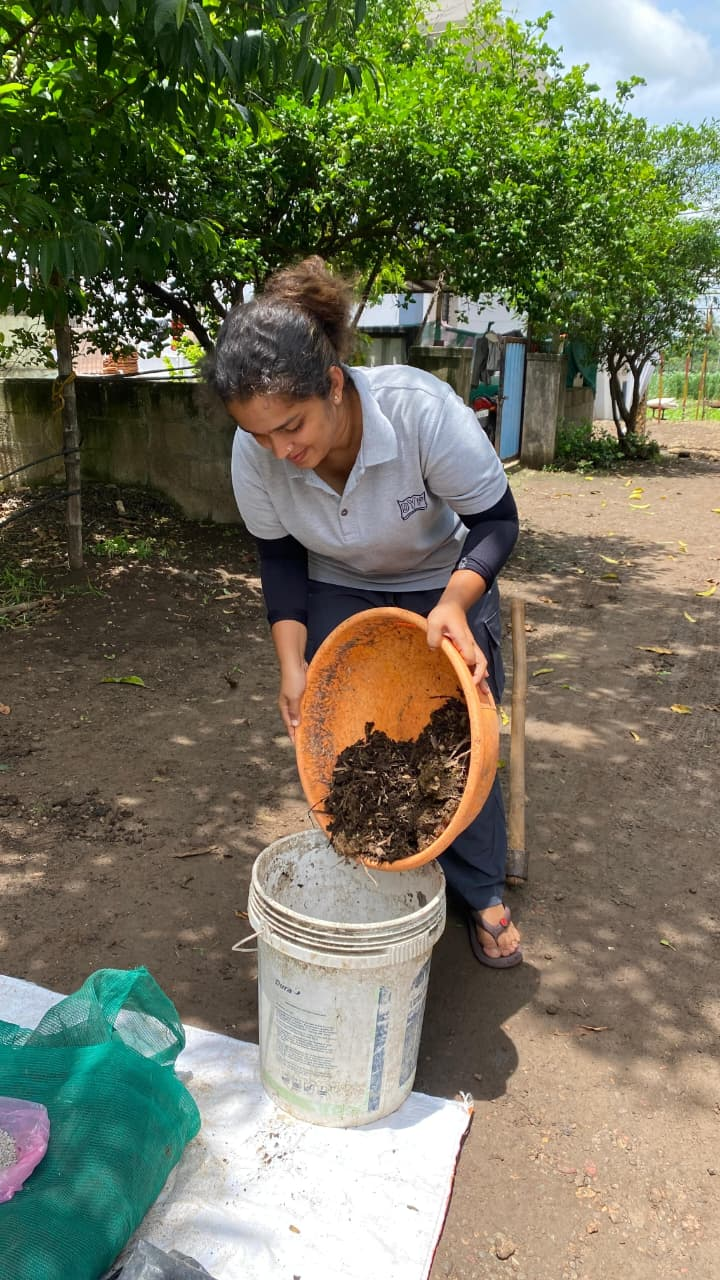
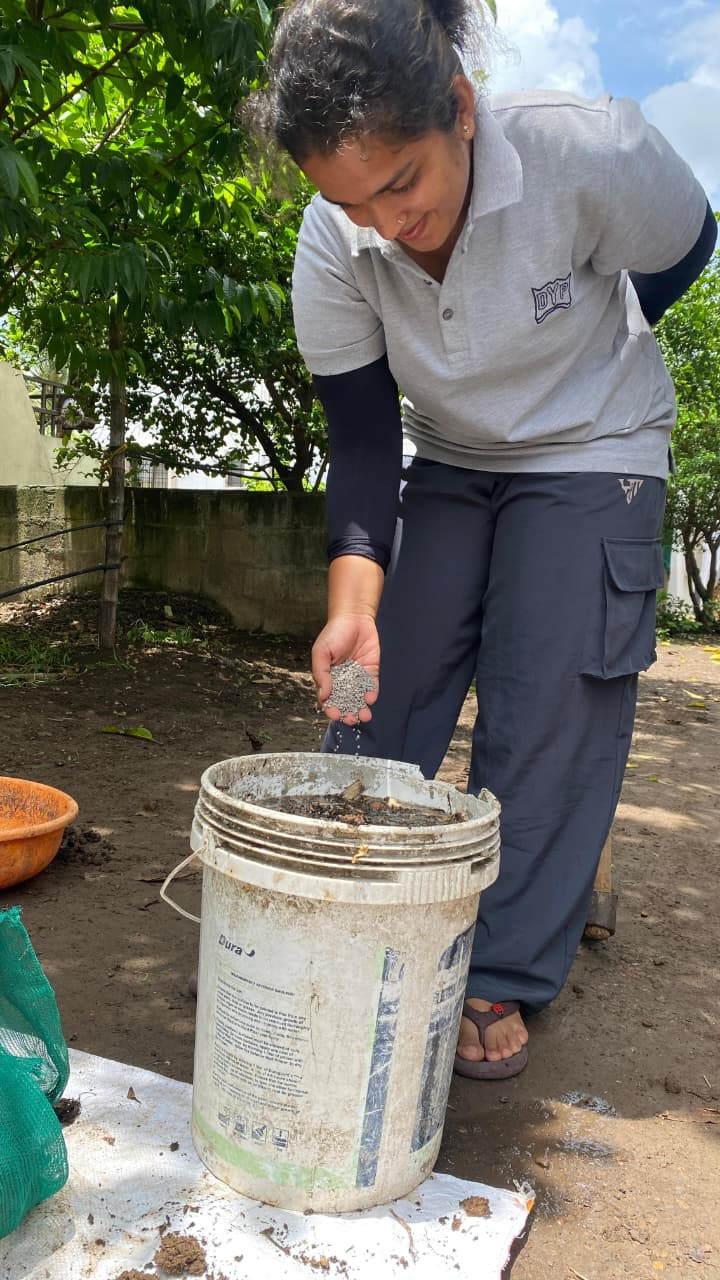
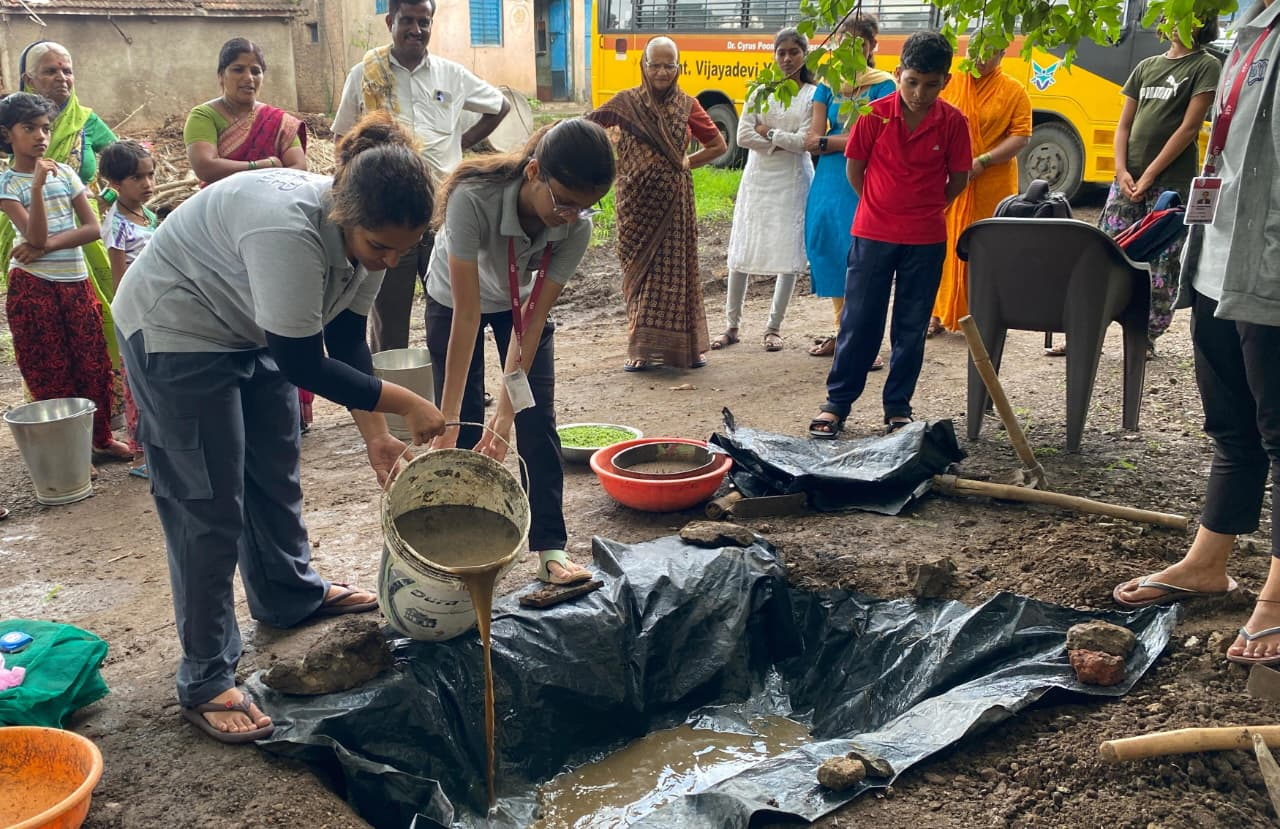
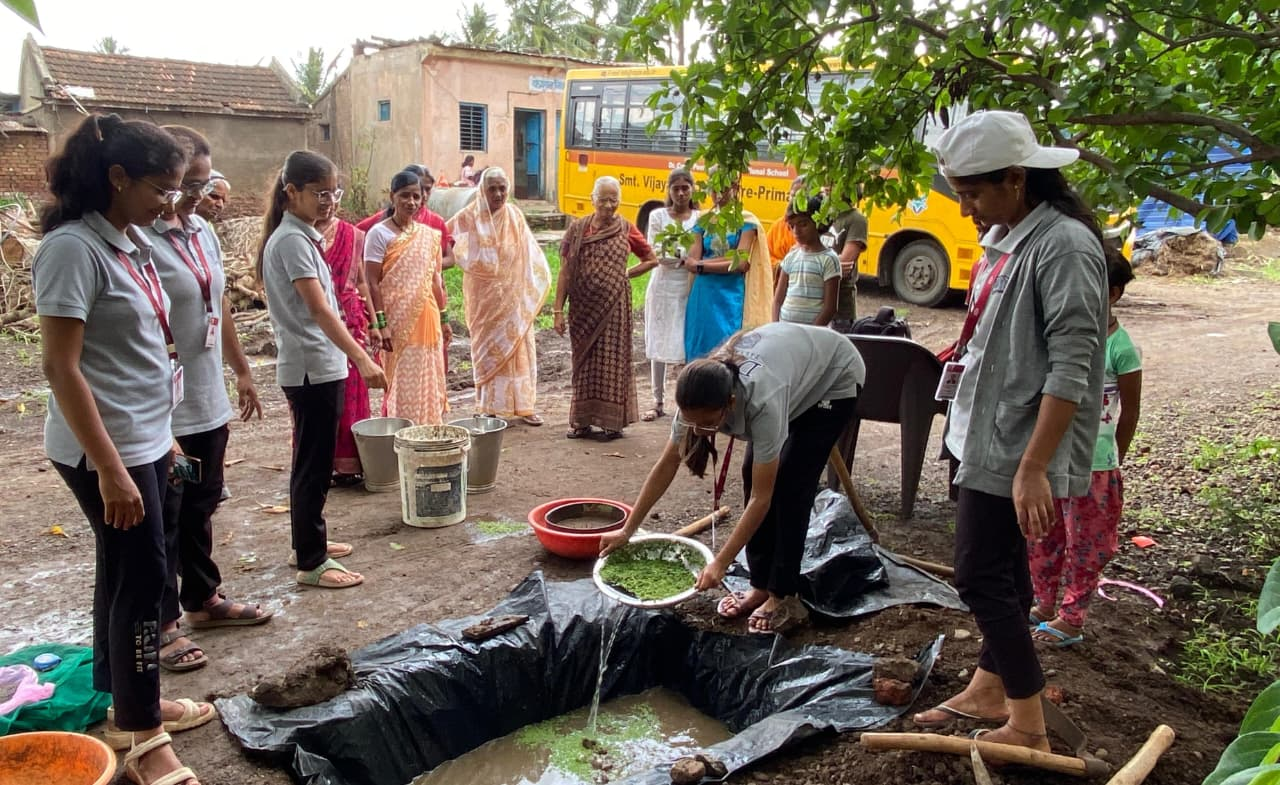
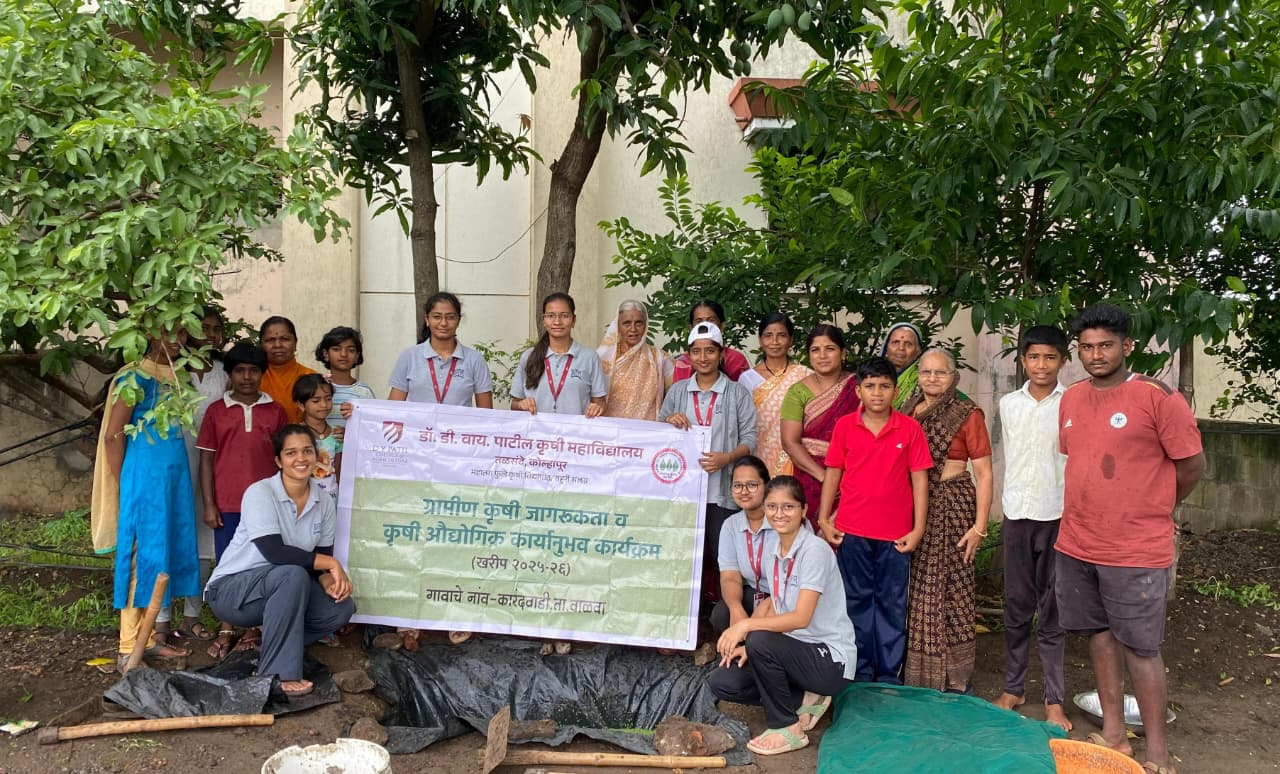
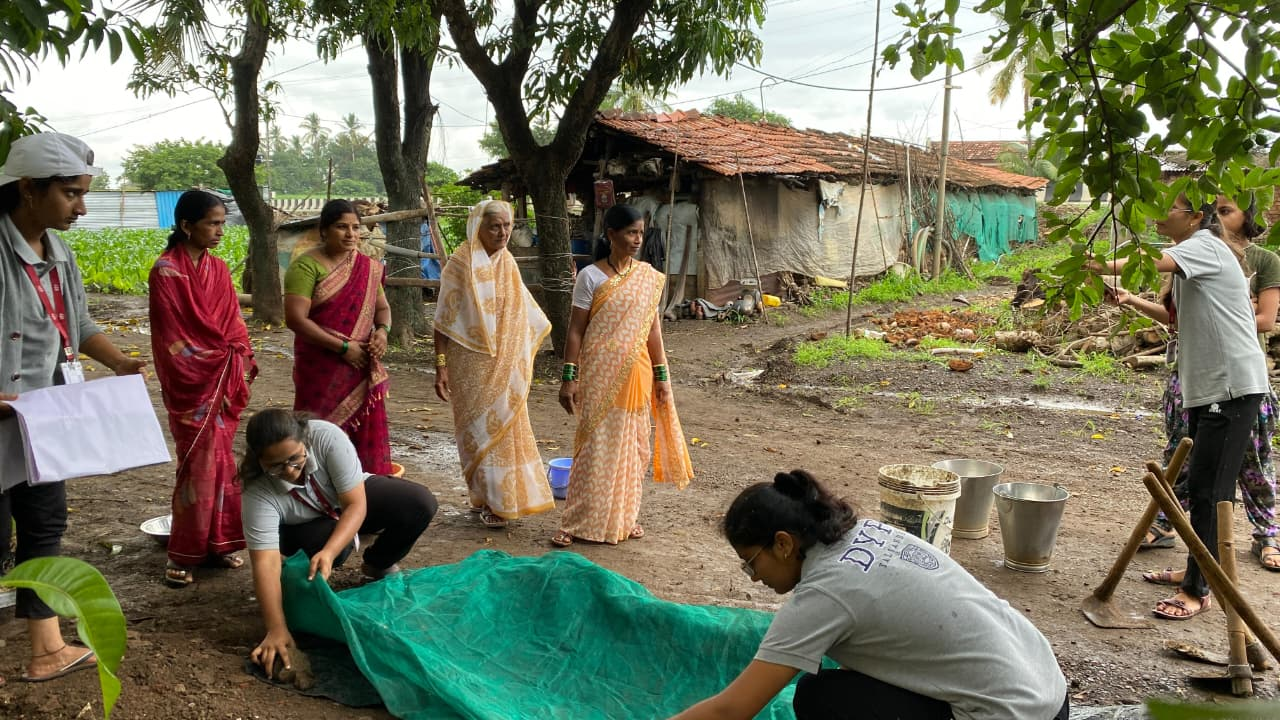
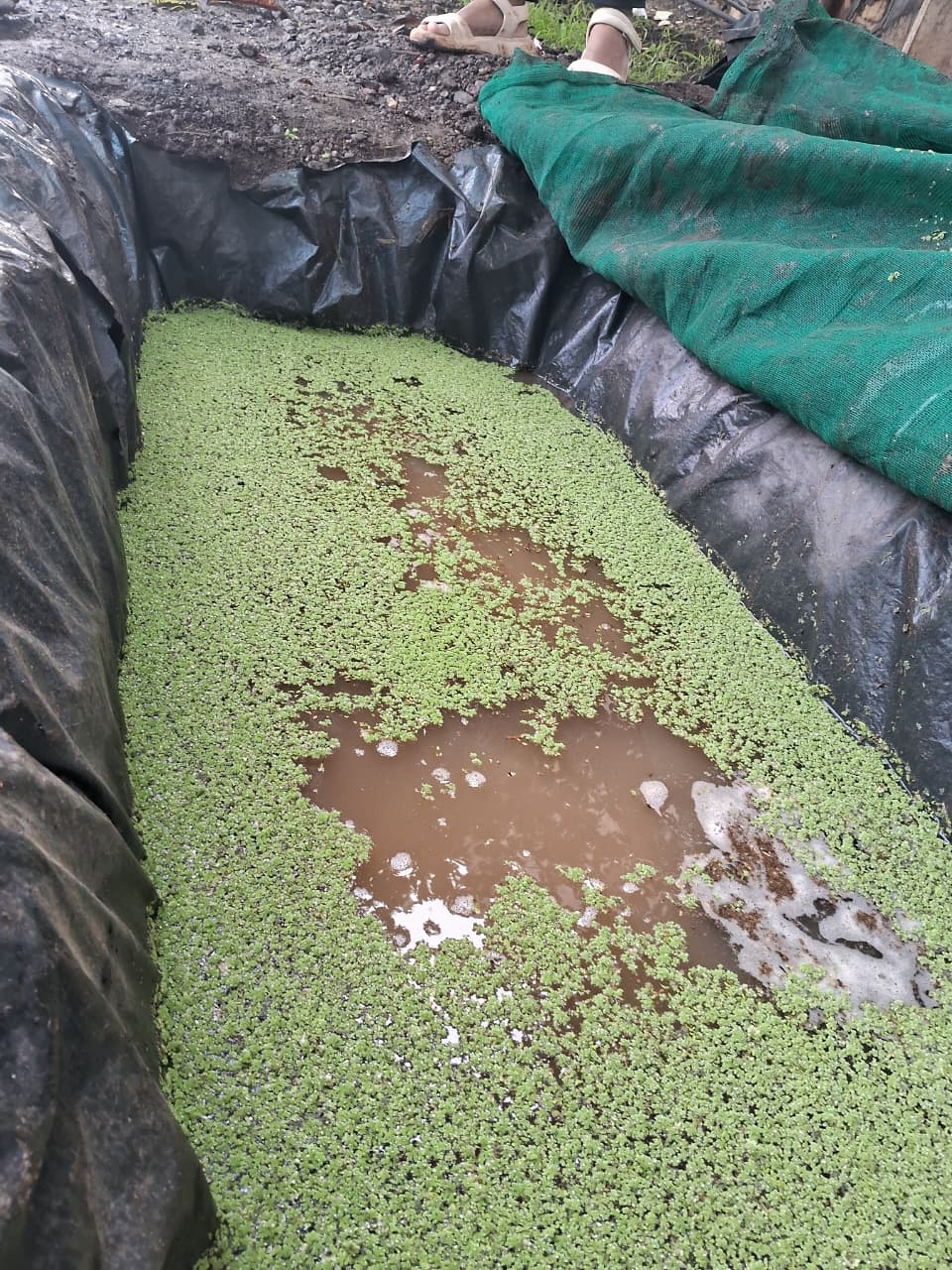
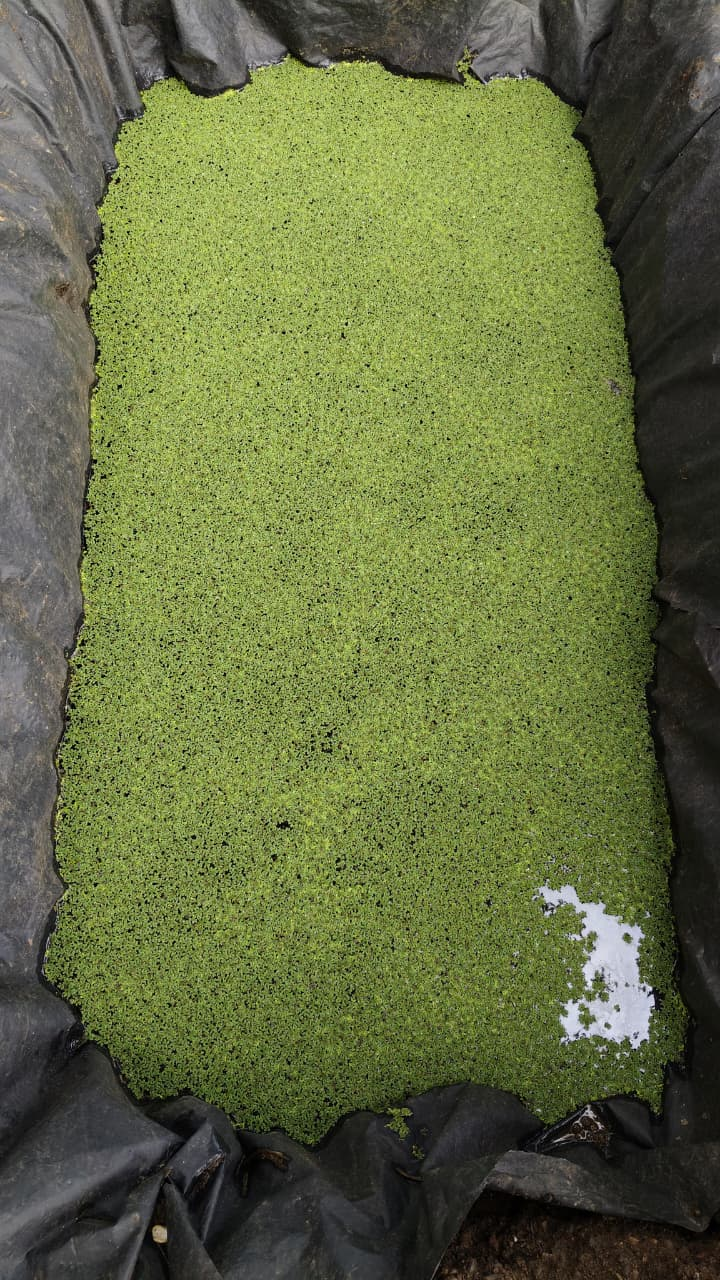
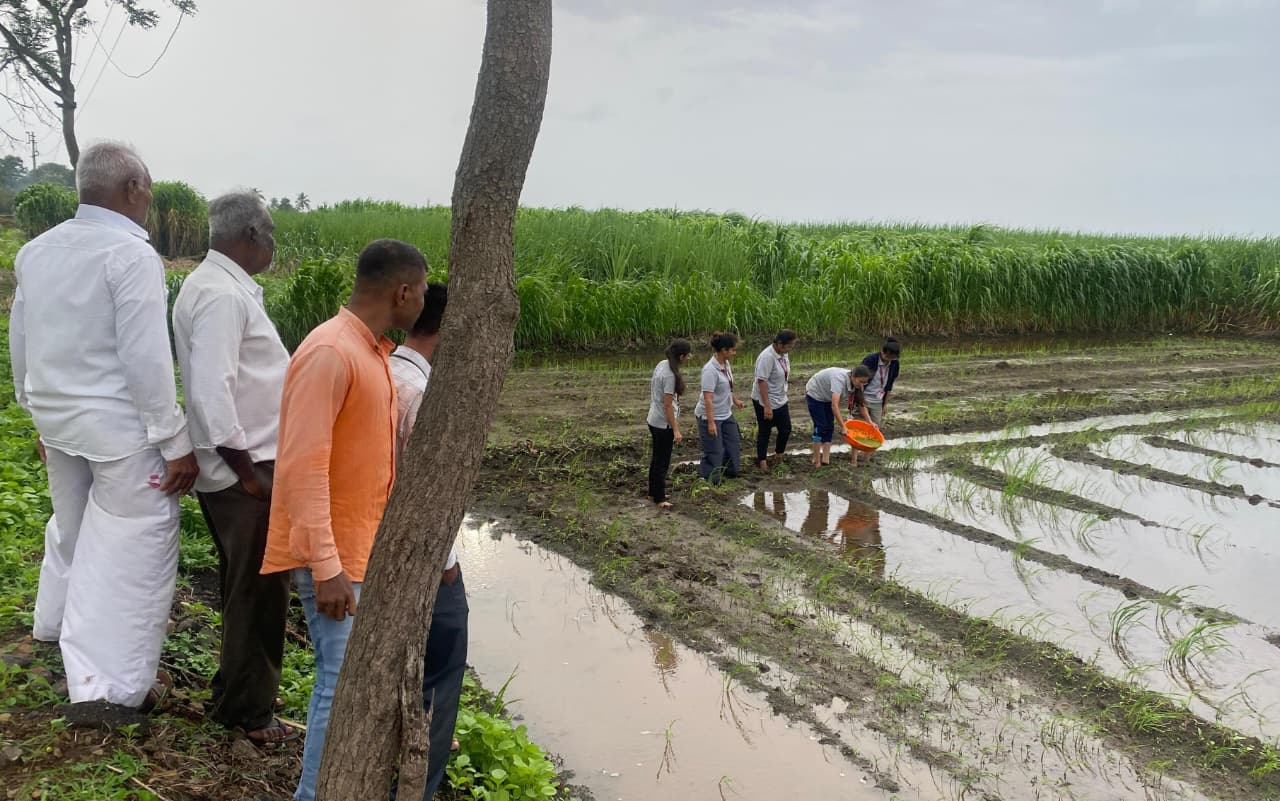
Welcome to the Department of Plant Pathology, a cornerstone of agricultural science dedicated to safeguarding crop health and improving productivity through effective disease management.
Plant diseases continue to pose significant challenges to global food security. At our department, we focus on understanding the nature and causes of plant diseases and developing sustainable, science-based solutions. Through a combination of strong theoretical foundations and hands-on practical training, we strive to equip our students with the knowledge and skills required to address real-world agricultural problems.
Our department offers a comprehensive undergraduate program, supported by well-equipped laboratories and field facilities. Specialized areas such as Agricultural Microbiology, Bio-fertilizer Production, and Mushroom Production provide additional opportunities for experiential learning and innovation.
We are proud of our team of dedicated and highly qualified faculty members who are actively engaged in teaching, research, and professional development through participation in national and international forums.
Our goal is to nurture competent, responsible, and innovative agricultural professionals who can contribute effectively to sustainable farming and food security. We remain committed to academic excellence, research advancement, and service to the farming community.
I invite you to explore our department and be a part of our journey toward healthier crops and a sustainable future
Dr. Kalindee Sharad Shinde is an Assistant Professor in the Department of Plant Pathology at Dr. D. Y. Patil College of Agriculture, Talsande, Kolhapur, Maharashtra. She obtained her Ph.D. in Agricultural Microbiology from Mahatma Phule Krishi Vidyapeeth (MPKV), Rahuri, securing a Gold Medal in the Plant Protection Group. She also qualified the ICAR-NET examination in Agricultural Microbiology.
Her research focuses on agricultural microbiology, biofertilizers, plant-microbe interactions, rhizosphere microbiology, and sustainable crop production. Her doctoral research investigated microbial communities associated with moisture-stress rhizosphere environments of sorghum in semi-arid regions of Western Maharashtra and their potential role in mitigating drought stress.
Dr. Shinde has over eight years of teaching experience in undergraduate agricultural education and has taught courses in Plant Pathology, Microbiology, Biofertilizers, Biocontrol Agents, and Integrated Disease Management. She has actively contributed to experiential learning programmes, student research projects, and extension activities.
Her technical expertise includes the isolation, characterization, mass multiplication, and formulation of beneficial microorganisms such as Azotobacter, Phosphate Solubilizing Bacteria (PSB), Potassium Solubilizing Bacteria (KSB), Trichoderma, and Gluconoacetobacter. She has developed microbial consortia-based biofertilizers for cereals, vegetables, and sugarcane to enhance nutrient availability and crop productivity.
Dr. Shinde is dedicated to advancing sustainable agricultural practices through research, teaching, and technology dissemination, with a special emphasis on the application of microbial technologies for improving soil health and crop productivity.
Additional Qualification:
ICAR-NET (Agricultural Microbiology) – Qualified in 2016 (72%)
Teaching Experience: 8+ Years
Industrial Experience: 6 Years
Research Paper Publication:
Conference Publication : 01
Book Chapter :
1. Shinde, K. 2023. Microbes In Agriculture And Food Production. The Modern Era Of Microbes-Opportunities, 1, 78. ISBN: 978-93-94766-43-3.
2. Shinde K. 2024. Freshwater algae: An overview. In: Recent Trends in Algae and Seaweeds. National publication. 111-116. ISBN: 978-93-94766-96-9.
3. Shinde KS. 2024. Enhancing drought tolerance in sorghum plants through bacterial inoculation: A study on water retention and stomatal conductance. In: Recent Advances in Microbiology and Biotechnology. Vol. 9. International publication.109-117. ISBN: 978-81-969141-6-5.
4. Kalindee Shinde. 2025. Microbial Diversity in Drought-Tolerant Sorghum Rhizobacteria. Research Perspectives of Microbiology and Biotechnology Vol. 9, BP International, pp.100-112. ISBN: 978-93-48859-42-6.
International Conference/seminar attained :
• Participated in the 6th International Conference of the Indian Phytopathological Society (IPS) on “Plant, Pathogen and People” held at New Delhi from 23–27 February 2016. (International Level – Research Category)
• Participated in the State Level Seminar on “Soil Health Awareness: A Prerequisite to Yield Sustainability” organized at Mahatma Phule Krishi Vidyapeeth (MPKV), Rahuri during 21–22 December 2015. (State Level – Research Category)
• Attended the International Symposium on Microbial Ecology and Systematics organized by CSIR-NCL, Pune, during 16–17 September 2016.
.
Training/ Workshops attained :
• Attended the webinar on “Next Generation Genomics and Integrated Breeding for Crop Improvement (VII-NGGIBCI): Genomics for Food, Health and Nutrition” organized by ICRISAT on 14 May 2020.
• Attended the webinar on “Commercial Mushroom Cultivation” organized by Biobritte Agro Solutions Private Limited on 3 June 2020.
• Participated in the webinar on “Phytomicrobiome: A Reservoir for Sustainable Agriculture” organized by The Biomics on 10 October 2020.
• Attended the webinar on “Button Mushroom Cultivation” organized by Biobritte Agro Solutions Private Limited on 16 May 2021.
• Participated in the National-level Training Programme on Fungus Culture organized by VN Organics Pvt. Ltd. (Online) from 16–30 March 2024.
• Completed the State-level Training Programme on Bioinoculant Production Technology conducted under the BNF Scheme at the College of Agriculture, Pune, during 27–31 May 2024
As per Vth Dean ICAR Committee Syllabus
As per VIth Dean ICAR Committee Syllabus
NA
University Gold Medal in Plant Protection Group for outstanding academic performance during Ph.D. in Agricultural Microbiology at Mahatma Phule Krishi Vidyapeeth
Ms. Sharvari Shinde is an agricultural professional specializing in Plant Pathology, with expertise in plant disease management, agricultural research, laboratory operations, and scientific documentation. She previously worked as an Executive at BVG Life Sciences Limited, where she contributed to research and development activities involving bioefficacy evaluation of agricultural formulations, experimental planning, laboratory management, and technical documentation. Her professional experience reflects a strong foundation in applied agricultural research and sustainable crop protection.
Ms. Shinde completed her Bachelor’s degree in Agriculture from College of Agriculture, Dapoli under prestigious Dr. Balasaheb Sawant Konkan Krishi Vidyapeeth (Dr. BSKKV), Dapoli and subsequently earned a Master’s degree (M.Sc.) in Agriculture with specialization in Plant Pathology from Mahatma Phule Krishi Vidyapeeth (MPKV), Rahuri. As part of her postgraduate research at the College of Agriculture, Pune, she conducted a dissertation entitled “Eco-friendly Management of Post-Harvest Diseases of Papaya,” focusing on the isolation and identification of post-harvest pathogens and the evaluation of plant extracts and essential oils as environmentally sustainable alternatives for disease management.
During her professional career, Ms. Shinde gained extensive experience in in vitro and in vivo bioefficacy studies, isolation, preservation and identification of plant pathogenic fungi and bacteria, greenhouse and field trials, scientific data analysis, laboratory standardization, and preparation of technical reports. She also played an important role in developing Standard Operating Procedures (SOPs), maintaining quality documentation, coordinating research activities, and ensuring the effective execution of laboratory projects in collaboration with multidisciplinary teams.
Beyond her research responsibilities, she has demonstrated leadership by supervising laboratory operations, mentoring trainees, coordinating testing programmes with industrial partners, and streamlining laboratory workflows to improve operational efficiency. Her technical proficiency extends to scientific writing, statistical data interpretation, project coordination, and regulatory documentation, enabling her to contribute effectively across research and development functions.
Driven by a commitment to scientific excellence and sustainable agriculture, Ms. Shinde aspires to contribute to the advancement of plant health through innovative research, technology development, and efficient scientific management. Her professional interests include plant pathology, biological disease management, agricultural research, regulatory affairs, quality systems, and technology-driven solutions for modern agriculture.
Undergraduate (UG): B.Sc. (Agri.) from Dr. BSKKV, Dapoli. Passed in 2021 with 86.00% (First Class with Distinction).
Postgraduate (PG): M.Sc. Agri. (Pl. Patho.) from College of Agriculture, Pune (MPKV, Rahuri) Passed in 2024 with 87.10% (First Class Distinction).
Assistant Professor| Plant Pathology|Dr. D. Y. Patil College of Agriculture, Talsande (July 2026 – Present)
Executive (Agri R and D) | BVG Life Sciences Limited, Pune (May 2024 – June 2026)
Research Paper Publication
1) Shinde, S. S., V. M. Karade, C. T. Kumbhar, R. M. Khadtare, S. D. Shelke, and A. V. Bhosale. 2024. “Evaluation of Antifungal Activity of Plant Extracts Against Papaya Anthracnose (Colletotrichum Gloeosporioides) under In-Vitro Condition”. Annual Research & Review in Biology 39 (2):23-29. https://doi.org/10.9734/arrb/2024/v39i230630
2) Bhosale, A. V., V. M. Karade, C. T. Kumbhar, R. M. Khadtare, V. M. Rajenimbalkar, and S. S. Shinde. 2024. “Evaluation of the Most Effective Plant Extracts, Bioagents and Chemical Fungicides In Vitro Against Powdery Mildew of Pea”. Annual Research & Review in Biology 39 (3):1-6. https://doi.org/10.9734/arrb/2024/v39i330633.
NA
1. Certificate Seed Learners online Training Program organised by Agmatrix in association with Seed Works International Pvt. Ltd. conducted during 01 Oct – 15 Oct 2022
2. Drone Manthan online training by DFSRDA- NAHEP and VNMKV, Parbhani (1 Week)
3. Five days training on “Bee keeping” by Central Bee Research and Training Institute, Pune in 20 Mar- 24 Mar 2023.
4. 15 Days Inernational training cum Workshop program “ATAL- Agri Technological Advances Learning Program” organised by AGmatrix in association with VNMK, Parbhani and MPKV, Rahuri from 18 Feb- 05 Mar 2023.
As per Vth Dean ICAR Committee Syllabus
PATH 354 (2+1=3) – Diseases of Field and Horticultural Crops and their Management
As per VIth Dean ICAR Committee Syllabus
PATH 352 (2+1=3) – Diseases of Field and Horticultural Crops and their Management
NA
NA